GTA Radio Stations: How Grand Theft Auto Makes Music Part of the Game
From Queen and Dr. Dre to unexpected indie discoveries, GTA's radio stations have turned millions of virtual car rides into memorable musical moments.
 Music Soil
Publisher
Music Soil writes about how music connects: where genres come from, how scenes split into new sounds, and which artists carried each style forward.
We publish genre histories, listening guides and stories about artists, trends and music culture — from the roots of house and techno to the regional sounds of hip-hop. Every article links to the artists and genres it mentions in the Music Soil catalog, so you can go straight from reading to listening.
From Queen and Dr. Dre to unexpected indie discoveries, GTA's radio stations have turned millions of virtual car rides into memorable musical moments.
In a few years around 1980 the synthesizer went from an experimental tool to the lead instrument on British number ones. Here is how new wave turned into synth-pop, what the technology changed, and where the sound went next.
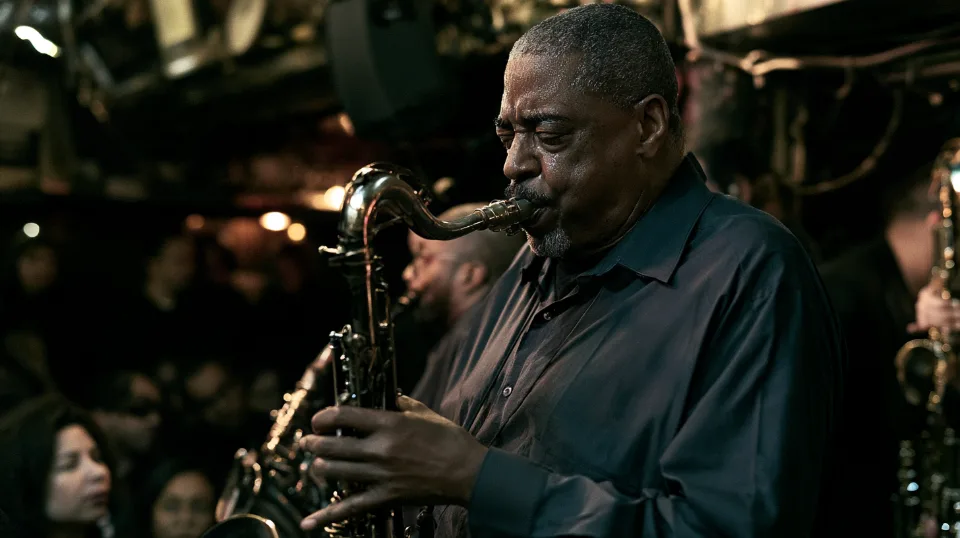
Jazz covers more than a century of changing styles, from New Orleans bands to swing, bebop, cool, hard bop, modal, free jazz and fusion. Here is what sets each one apart and a practical way to start listening.
“Latin” is a music-industry umbrella, not a single sound. Here is what salsa, merengue, bachata, cumbia, reggaeton and bossa nova each are, where they come from, how they connect, and how to explore them.
Grunge, trip hop, Detroit techno and Madchester all started as local scenes. Here is how a city’s venues, labels and press turned each one into a genre name, and how to trace those scenes on Music Soil.
Shoegaze and dream pop grew up side by side in late-1980s Britain and are still mixed up today. Here is where each one came from, how to tell them apart by ear, and how to explore both on Music Soil.
House came out of Chicago’s clubs and techno out of Detroit in the same decade, using much of the same equipment. Here is how they differ in roots, sound and scene, where each one branched next, and how to explore both on Music Soil.
Hip-hop began in the Bronx, but Los Angeles, Houston, Atlanta, Chicago and London all built sounds of their own. Here is a listener’s guide to the main regional styles, what sets each apart, and how to explore them on Music Soil.
Indie and alternative began as descriptions of how records were released and heard, not how they sounded. Here is how the two labels changed from the 1980s to the 2000s, what they mean today, and how to browse both on Music Soil.
The styles next to the ones you already like are often the best place to look for new music. Here is how Music Soil’s Related genres lists and Discover’s subgenre panels work, and how to use them together.
Metal has split into dozens of styles since the late 1960s. This map follows the main branches in roughly the order they appeared, explains what separates them, and suggests where to go next from each one.
Punk began as a back-to-basics movement in the mid-1970s and within a decade had produced post-punk, hardcore, Oi!, emo and more. Here is how those branches formed and how to explore them.
Big genre names are a good place to start, but they are too wide to find music you will actually like. Here is a simple way to move from a broad genre into subgenres, filters and artist pages.