From Punk to Post-Punk, Hardcore and Emo: How One Sound Kept Splitting
Punk began as a back-to-basics movement in the mid-1970s and within a decade had produced post-punk, hardcore, Oi!, emo and more. Here is how those branches formed and how to explore them.
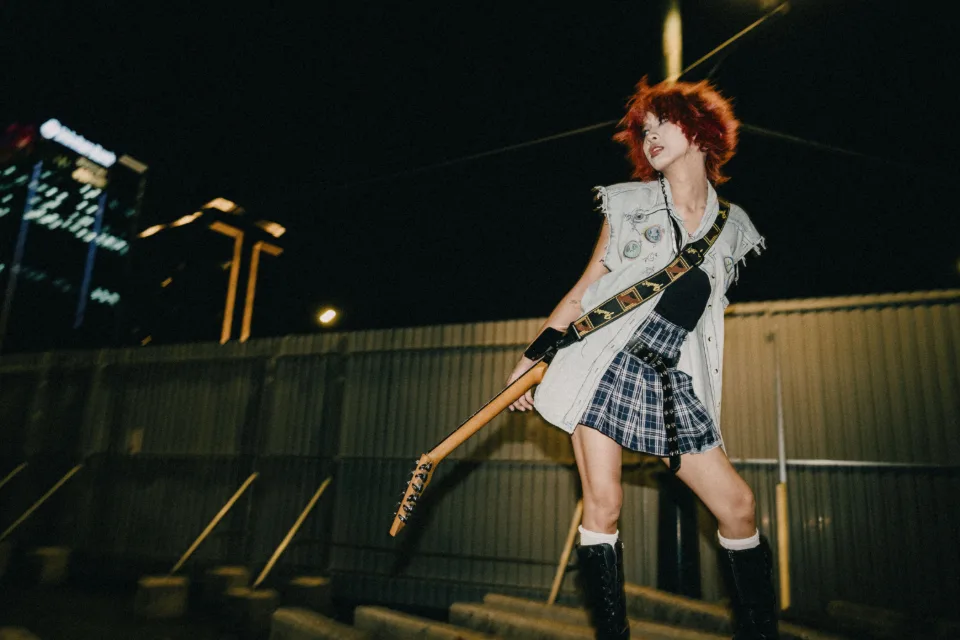
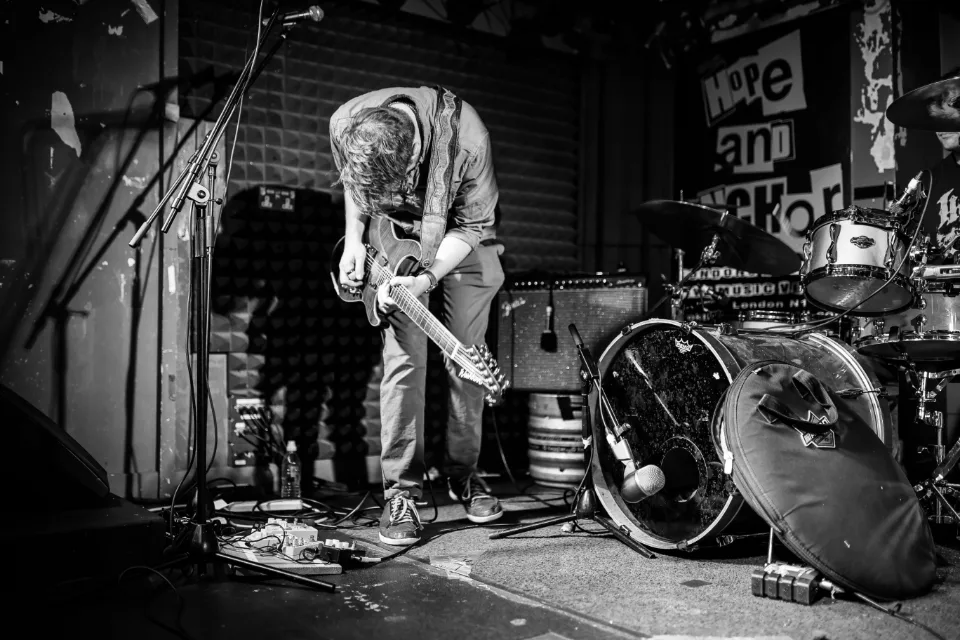
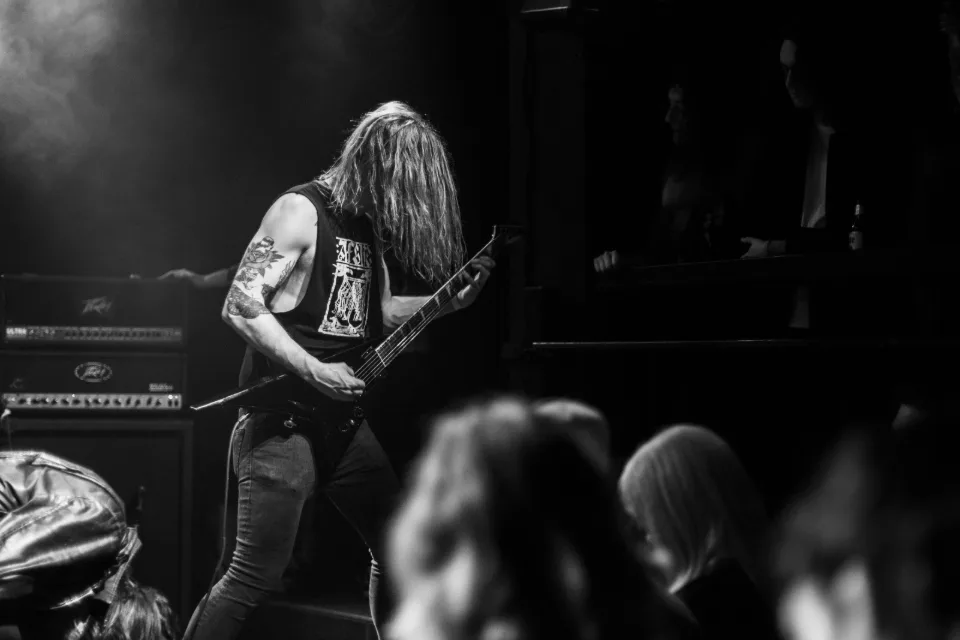
Punk rock was built on a short list of ideas: short, fast songs, stripped-down playing, and a do-it-yourself approach to recording and releasing music. Because those ideas were so simple, almost every scene that took them up changed them. Within a few years of punk’s first wave, some musicians were making it more experimental, others faster and harder, and others again were turning it toward melody or toward personal lyrics.
This guide follows the main lines of that split, from the bands that came before punk to the styles that grew out of hardcore in the 1980s and 1990s. The bands named are each style’s usual reference points, not a full list.
Before Punk: Garage Rock and Proto-Punk
Proto-punk is a label applied after the fact to artists of the 1960s and early 1970s who anticipated punk without belonging to one movement. The deepest root is the American garage rock of the mid-1960s. By the late 1960s the Detroit bands the Stooges and MC5 had turned that garage sound into something recognisably close to punk, and the Velvet Underground and the New York Dolls are also regularly named as influences.
The First Wave: Punk Rock in the Mid-1970s
By the mid-1970s punk rock had a name and several local scenes. New York had the Ramones, Television and Patti Smith; England had the Sex Pistols, the Clash, the Damned and Buzzcocks; Australia had the Saints and Radio Birdman. Songs were short and fast, the sound was rough on purpose, and many bands put out records on independent labels or on their own.
Punk had become a major cultural event in the UK by late 1976, and by 1977 it had taken root in local scenes around the world. That speed is one reason it fractured so quickly: each scene kept the parts of punk it wanted and dropped the rest.
Post-Punk: Keeping the Attitude, Dropping the Rules
Post-punk emerged in the late 1970s among musicians who liked punk’s energy and independence but not its musical limits. The writer Jon Savage outlined the idea in Sounds in November 1977. Post-punk bands drew on German krautrock, funk, electronic music, jazz and dance music, and borrowed production techniques from dub and disco. In 1978 Siouxsie and the Banshees and Public Image Ltd both reached the UK top ten with their first singles.
Post-punk is the source of a long list of later styles, including gothic rock, dark wave, dream pop and shoegaze. In the 2000s several New York bands brought its influence back into indie rock, a movement known as the post-punk revival. If you are drawn to punk’s independence but want more variety in rhythm and texture, this is your branch.
Hardcore: Punk Made Faster and Harder
Hardcore punk appeared in the late 1970s and is generally faster, harder and more aggressive than earlier punk. Its scenes spread across the United States in the early 1980s, notably in Los Angeles, San Francisco, Washington, D.C., Boston and New York. Bad Brains, Minor Threat and Black Flag are standard reference points.
Hardcore was central to the growth of independent labels and do-it-yourself scenes in the 1980s, and it gave rise to the straight edge movement. Its influence reached well beyond punk: grunge and thrash metal both drew on it, and later styles such as metalcore, grindcore and crust punk were built partly from hardcore.
Britain in the Early 1980s: Oi! and Anarcho-Punk
Oi! came out of East London in the late 1970s and early 1980s and set out to bring together punks, skinheads and working-class youth. Sounds writer Garry Bushell named it after the shout of “Oi!” that Cockney Rejects singer Stinky Turner used to start songs. Sham 69, Cock Sparrer and the Angelic Upstarts are typical names. The movement was later associated with violence and far-right infiltration, and it gave way to street punk.
Anarcho-punk, with Crass as a defining example, used punk to argue for anarchism and against capitalism. In the early-to-mid 1980s English bands from that scene, including Amebix and Antisect, began adding the influence of heavy metal bands such as Motörhead and Hellhammer. The result was crust punk, which by the late 1980s had begun to merge with hardcore.
Emo, Midwest Emo and Screamo
Emo began in the mid-1980s Washington, D.C., hardcore scene, where it was called emotional hardcore or emocore. Rites of Spring and Embrace are usually named as its first bands. The music kept hardcore’s force, but the lyrics turned emotional and often confessional.
In the early-to-mid 1990s emo spread into alternative rock, indie rock and pop-punk through bands such as Sunny Day Real Estate, Jawbreaker and Jimmy Eat World. A scene in the American Midwest, now known as Midwest emo, moved further from hardcore toward indie rock and math rock, with arpeggiated guitar melodies; Braid, the Promise Ring, American Football and the Get Up Kids came out of it. Meanwhile screamo, started in the early 1990s by the San Diego bands Heroin and Antioch Arrow, took emo in a more aggressive and dissonant direction with screamed vocals.
Post-Hardcore, Pop-Punk and Skate Punk
Post-hardcore keeps hardcore’s intensity but leaves more room for experiment, much as post-punk did for punk. It began in the 1980s with Hüsker Dü and Minutemen, and Fugazi and the Washington, D.C., label Dischord Records were central to its growth. In the early-to-mid 2000s bands such as At the Drive-In, Glassjaw, Alexisonfire and Underoath brought it to a much larger audience.
Pop-punk moved in the opposite direction, toward classic pop songwriting. The Ramones, the Undertones and Buzzcocks laid its groundwork, bands on Lookout! Records expanded it in the late 1980s and early 1990s, and Green Day and the Offspring took it into the mainstream in the mid-1990s, followed by Blink-182.
Closely related skate punk began in the 1980s as a form of hardcore tied to skateboarding culture, with bands such as Suicidal Tendencies and JFA. Bad Religion’s 1988 album Suffer started its more melodic style, which NOFX and Pennywise carried through the 1990s.
Practical Takeaways
Punk’s family tree is easier to explore once you notice that most branches answer the same question in different ways: what should punk keep, and what should it drop?
- If you like the energy but want more experimentation, follow post-punk and then post-hardcore.
- If you want more speed and force, go from punk rock to hardcore, then on to crust punk or metalcore.
- If melody matters most, try pop-punk and skate punk.
- If the lyrics are what draw you in, start with emo and branch into Midwest emo or screamo.
On Discover, the Punk family groups many of these styles, including hardcore, post-punk, post-hardcore, Oi! and crust punk, and shows how many artists each one would add to your current filters. Adding a country filter is a good way to find a local scene, and the Catalog takes you straight to an artist you already know.